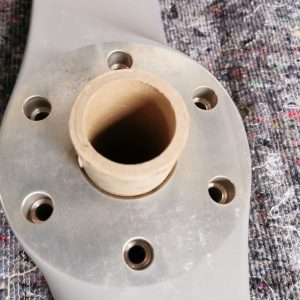
The Sensenich Propeller – P/N 74DM6-0-60
A Sensenich Propeller P/N 74DM6-0-60 may also be advertised as a Sensenich 74DM6 Propeller or 74DM6-0-60 Aircraft Propeller when every model character, suffix, serial marking, and alteration detail is stated accurately.
Whether described as a Sensenich Fixed-Pitch Propeller, Sensenich Aluminum Propeller, Fixed-Pitch Aluminum Propeller, or Aluminum Aircraft Propeller, the individual unit should receive professional inspection before installation.
The 74-Inch Aircraft Propeller, 60-Inch Pitch Propeller, Lycoming O-320 Propeller, and General Aviation Propeller keywords represent common dimensional, engine, and application searches associated with the model.
A Two-Blade Aircraft Propeller should be treated as one matched rotating assembly, while a Sensenich Aircraft Propeller should be identified through verified manufacturer markings.
Why the Complete Propeller Designation Matters
The complete propeller designation should be verified through the manufacturer data plate, hub markings, blade markings, serial number, original records, packaging labels, photographs, and available Sensenich technical information.
Reliable traceability improves the commercial and maintenance value of the Sensenich 74DM6 Propeller.
Verifying Condition Before Installation
This condition can provide significant value, but it does not independently confirm current serviceability after storage, transport, or repeated handling.
A never-installed statement may be supported by the absence of operational erosion, mounting impressions, spinner contact, bolt marks, and documented operating time.
Understanding Fixed Blade Geometry
Its practical performance depends on blade design, diameter, pitch, engine power, maximum RPM, airframe configuration, aircraft weight, altitude, temperature, and installation condition.
Incorrect dimensions can produce operational concerns even when the propeller fits physically on the flange.
Aluminum Aircraft Propeller Construction
Professional inspection helps preserve the long-term value of the Sensenich Aluminum Propeller.
Responsible care supports the condition of the Aluminum Aircraft Propeller.
Measuring the 74DM6 Propeller
Any authorized diameter reduction should appear check here in the propeller markings and maintenance records.
Diameter should be measured using an appropriate hub-center reference and complete tip-to-tip procedure.
Understanding the 60-Inch Pitch Propeller
Actual aircraft performance also depends on aerodynamic slip, weight, altitude, temperature, engine condition, and airframe design.
A never-installed propeller should still be reviewed for shipping distortion, impact, or manufacturing-record consistency.
Lycoming O-320 Propeller Compatibility
A propeller approved for one O-320-powered aircraft may not be approved for another aircraft using a different engine variant, airframe, spinner, or installation configuration.
Qualified research supports responsible selection of a Lycoming O-320 Propeller.
Protecting the Matched Two-Blade Design
A Two-Blade Aircraft Propeller should be evaluated as a complete matched assembly rather than as two independent blade components.
Storage supports should protect both blades without applying uneven pressure.
Preparing the Replacement Aircraft Propeller
The propeller hub should match the receiving engine flange, pilot diameter, bolt pattern, approved spacer arrangement, spinner components, and required installation hardware.
Fasteners should not be selected solely by visual appearance, basic diameter, or thread size.
Leading-Edge and Blade-Surface Inspection
Professional evaluation protects the Sensenich Aircraft Propeller from unsuitable installation.
Unauthorized sanding, filing, blending, refinishing, or polishing should be avoided.
Preserving an Unused Aircraft Propeller
A dry storage history can reduce corrosion risk but does not eliminate the need for inspection.
Responsible storage protects the Fixed-Pitch Aluminum Propeller.
Reviewing Propeller Release Documentation
Accurate language prevents unsupported certification or installation claims.
Organized records strengthen the commercial value of the Certified Aircraft Propeller.
Maintaining Aircraft Propeller History
Conflicting or incomplete identification should be resolved before payment or installation.
Complete history supports future maintenance, installation research, and resale.
Pre-Purchase Inspection Checklist
The buyer should obtain enough information for a qualified propeller specialist or aviation mechanic to review the component.
- Determine whether factory paperwork, release documents, mounting hardware, spacers, spinner components, protective covers, and shipping materials are included.
- Confirm the manufacture or purchase date, storage duration, environmental conditions, preservation method, ownership history, and absence of operating time.
- Retain photographs, serial information, measurements, purchase records, inspection reports, release documents, and freight paperwork with the aircraft project file.
Protecting a New Two-Blade Propeller in Transit
Professional packaging helps preserve the never-installed condition.
The shipping crate should identify appropriate lifting and handling points so carriers do not use the propeller blades as handles.
Preventing Corrosion and Handling Damage
Protective materials should prevent contamination without trapping moisture.
Preservation materials should be removed using appropriate procedures before inspection or installation.
Installing the Sensenich 74DM6-0-60
Installation should be completed by appropriately qualified aviation maintenance personnel using applicable aircraft, engine, propeller, spinner, and hardware information.
Disciplined installation supports dependable Two-Blade Aircraft Propeller operation.
Initial ground operation should monitor vibration, RPM, unusual noise, mounting security, spinner behavior, and other abnormal indications.
Preventive Blade and Hub Inspection
Unapproved filing or sanding can remove excessive material and alter the blade geometry.
Recurring vibration should prompt review of the propeller, spinner, engine mounts, flange, ignition system, and engine condition.
Evaluating Never-Installed Propeller Pricing
Original packaging can improve presentation and provenance but does not replace physical examination.
Total acquisition cost may include the purchase price, specialist inspection, dimensional verification, static or dynamic balance work, mounting hardware, spinner components, installation labor, packaging, shipping, and documentation.
Selecting a General Aviation Replacement Propeller
New, Never Installed may suit aircraft owners, maintenance organizations, builders, propeller specialists, restorers, aviation dealers, and general aviation operators seeking an identifiable unused component.
The unit should not be judged solely through original packaging, clean factory paint, new wording, never-installed status, or purchase price.
Whether buyers need a Sensenich Fixed-Pitch Propeller, Sensenich Aluminum Propeller, Fixed-Pitch Aluminum Propeller, or Aluminum Aircraft Propeller, current condition and dimensional conformity should be verified.
With verified identity, suitable dimensions, documented storage, acceptable physical condition, professional installation, and routine maintenance, the propeller can provide dependable long-term value.